


Why You Need a PET CT Scan
- MRI Chandigarh
- Apr 28, 2025
- 4 min read

A PET CT scan is a hybrid procedure that combines the functional information from a PET scan with the detailed anatomical images provided by a CT scan. This allows doctors to see both the structure and function of your organs and tissues, giving them a comprehensive view of your health.

Detecting Cancer Early and Monitoring Treatment
One of the most significant uses of PET CT scans is in the detection and monitoring of cancer. These scans are highly effective at spotting cancer cells in their early stages because cancer cells often have a higher metabolic rate than healthy cells. This allows the PET component to “light up” the cancer cells, even before they can be seen with other imaging techniques.
Early Detection: PET CT scans can help doctors detect cancer earlier than traditional methods, making treatment more effective and improving the chances of a full recovery.
Treatment Monitoring: After a cancer diagnosis, PET CT scans are invaluable for monitoring the effectiveness of treatment. If a cancerous tumor is shrinking or responding to therapy, the PET scan will show decreased activity in the affected area.

Detecting Cancer Early and Monitoring Treatment
Assessing Heart Function and Detecting Heart Disease
PET CT scans are also useful for heart disease diagnosis. By examining blood flow and the heart’s ability to pump blood, these scans can identify areas of the heart that may be at risk of a heart attack or have already been affected by a previous one.
Blood Flow Evaluation: The PET scan detects areas with decreased blood flow, helping doctors identify blockages or damaged heart tissue.
Planning Heart Surgery or Treatment: If you are considering surgery or treatment for heart disease, a PET CT scan can help your doctor make the best decisions by providing a detailed map of the affected areas.

Assessing Heart Function and Detecting Heart Disease
Evaluating Neurological Conditions
PET CT scans are increasingly used in neurology to evaluate conditions affecting the brain. For conditions like Alzheimer’s, epilepsy, and other neurological disorders, these scans can give doctors a better understanding of how brain cells are functioning.
Alzheimer’s Disease: PET CT scans can detect the buildup of amyloid plaques in the brain, a key indicator of Alzheimer’s disease, years before symptoms appear.
Seizures and Epilepsy: For patients with unexplained seizures, PET CT scans can help identify the specific regions of the brain that are overactive or causing seizures.

Evaluating Neurological Conditions
Detecting Infections and Inflammatory Disorders
Infections or inflammations within the body often present challenges in diagnosis, especially if symptoms are vague or widespread. PET CT scans can pinpoint areas of infection or inflammation, helping doctors accurately diagnose and treat conditions like:
Infections: PET CT scans can be used to detect infections in soft tissues, bones, or organs, especially when they are not responding to traditional treatments.
Inflammatory Disorders: Conditions like rheumatoid arthritis or inflammatory bowel disease (IBD) can cause chronic inflammation. A PET CT scan can show the level and location of inflammation, providing valuable information for treatment plans.
When Should You Consider a PET CT Scan?
Your doctor may recommend a PET CT scan if:
You are undergoing treatment for cancer and need to monitor its progress.
You have a history of heart disease or are experiencing symptoms like chest pain.
You have neurological symptoms like memory loss, confusion, or unexplained seizures.
You have a condition that might involve hidden infections or inflammation.
When Should You Consider a PET CT Scan?
What Happens During a PET CT Scan?
Before the procedure, you may be asked to avoid eating for several hours, as this helps ensure the scan is accurate. Here’s what you can expect:
Radiotracer Injection: A small amount of radioactive glucose will be injected into your vein. You may be asked to relax for 30 to 60 minutes while the tracer moves through your body.
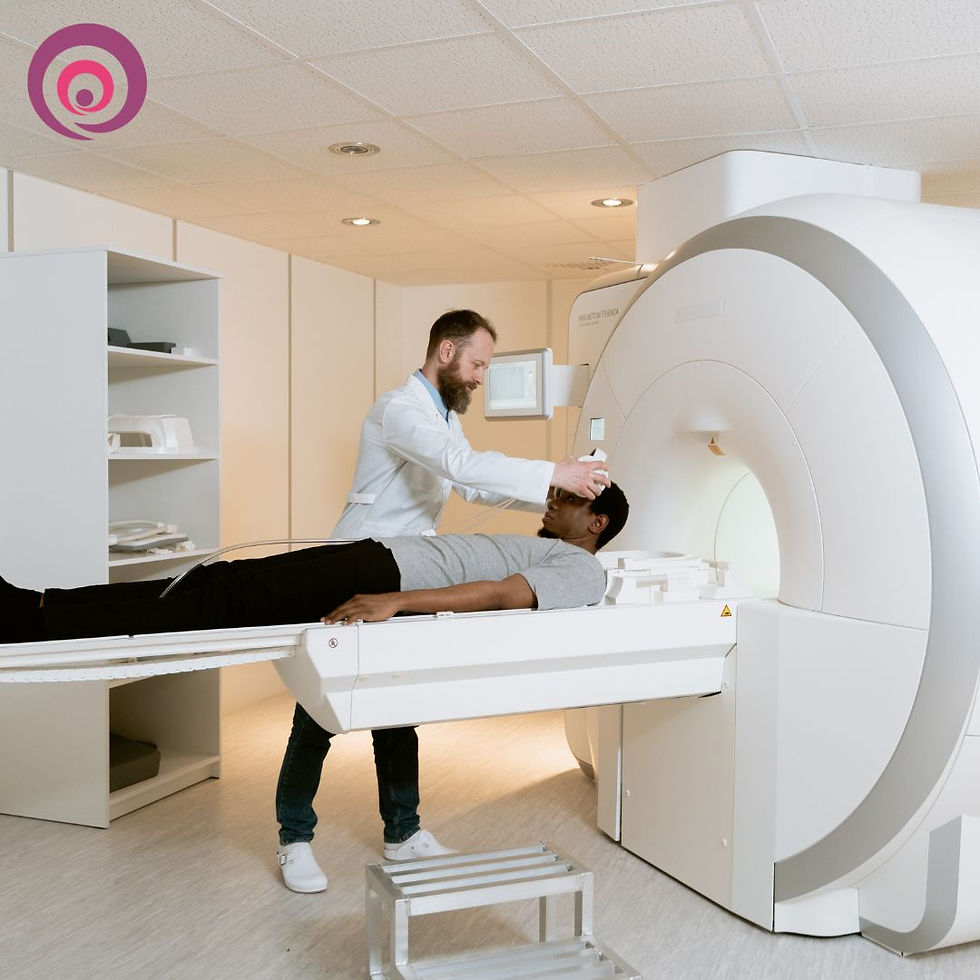
The Scan: Once the tracer has spread, you will lie on a bed that slides into the PET CT scanner. The scanner will rotate around your body to capture detailed images from different angles.
Post-Scan: After the scan, you can resume normal activities. The radioactive material will naturally exit your body through your urine over the next few hours.
Conclusion
A PET CT scan is an essential source in modern medicine, offering an in-depth look at your body’s internal workings. Whether you’re dealing with cancer, heart disease, neurological conditions, or infections, this advanced imaging technique can help doctors make early, accurate diagnoses and monitor your health more effectively. If your doctor recommends a PET CT scan, know that it’s a step toward better understanding your health and ensuring you receive the best possible treatment.
Don’t wait for the problem to get worse! Visit MRI Chandigarh to book an appointment for a PET CT Scan. Contact us at 8699572364.
Facebook: MRI Chandigarh
Instagram: MRI Chandigarh
Linked In: MRI Chandigarh


Comments